
QotW: What is Myth?

Updated: Oct 16
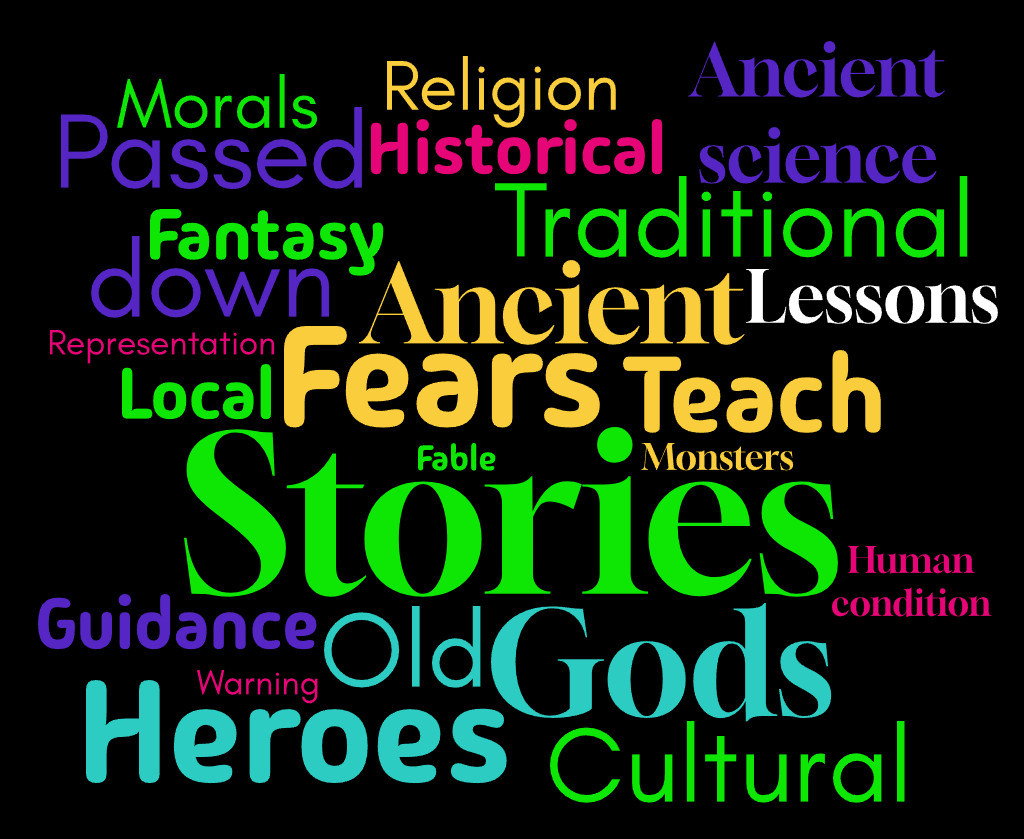
This week's question was inspired by my studies. I asked you;
What is myth?
This was the question we were asked at the start of this week at Uni. I have a very firm idea of what I think myth is. I've been reading and listening to myths for a long time. So, I wanted to know what you guys thought myths were. The wonderful thing about myth is that it is flexible, and different people can take different things away from each story. I do think there are some things that we can all agree are qualities of a myth. But everything else can change depending on who you are. For example, one culture's stories may not resonate with you at all if you are from a different culture.
So what do we all agree on? Every person who responded, myself included, used the word "story". I think it is pretty safe to say that most people would consider a myth to be a story of some kind. Maybe you'd use the word "fable" or "tale," but those are still stories. We also mostly agreed that myths are used to teach us something. Whether that is how to behave in social situations, or how mountains were formed. A myth that explains the origin of a cultural practice or a natural phenomenon is called an aetiological myth.
Now, before I share your answers, it is only fair that I share mine. A myth is a story that can serve one or more of many purposes. They could be used as an early form of science, a way to explain the world around us. My favourite example of this is: if you know that a blacksmith striking an anvil makes a loud noise and a spark, and then you witness a thunderstorm, why wouldn't you think the loud sounds and sparks (lightning) are caused by a blacksmith? Thor or Hephaestus. Myths can also teach people how to behave by providing heroes to emulate, and examples of villains being punished for their misdeeds. Myths can provide warnings. Horses are powerful and scary, and lakes can be dangerous, so instilling a sense of caution around both is sensible. Maybe that is the origin of the Kelpie myth? Lastly, myths can help us explore parts of ourselves by providing a safe way to engage with difficult themes and situations.
Here's what you guys said;
"Myths can be local stories designed to explain odd phenomena."
"Myths can be old stories to give obscure questions a more tangible, physical explanation."
"It could be a story meant to teach a lesson or give hope."
"A myth is a story or fact that is yet to be proven true or given proof of being."
"Have been passed down and changed through time due to memory, understanding and/or language."
"Embellishment in stories is a good way to grab and keep attention and a way to spread the word."
"Natural science, morals and lessons on human nature."
A big thank you to everyone who answered! I really enjoyed reading your replies and seeing the different points of view each of you had. I've not included everyone's full answers, as that would take a long time to read, but the word cloud at the top of this page shows the most common words used.
Look out for the next question tomorrow!
Each week, I'll be asking all of you Nooklings a question inspired by my studies and research. There will be no right or wrong answers. Instead, this is an opportunity for you to nerd out and chat with your fellow history and mythology fans. You'll find the Question of the Week every Sunday morning in the History Nook Discord server, as well as on Instagram, Threads, Patreon, and Bluesky. I'll gather your answers and write a blog post featuring them each Saturday.


Using this as inspo for next Friday. Loved your explanation.